Cuticles get a lot of attention at the nail salon, and much of it is the wrong kind. That thin seal of skin at the base of each nail has a real job, and the habits many of us grew up with (soaking, pushing, snipping) work against it. Proper cuticle care is simpler than the old routine, and it mostly comes down to leaving them in place and keeping them soft.
Below you'll find what the cuticle does, what dermatology organizations recommend, and a gentle routine that's easy to keep up at home.
In this guide
What your cuticle does
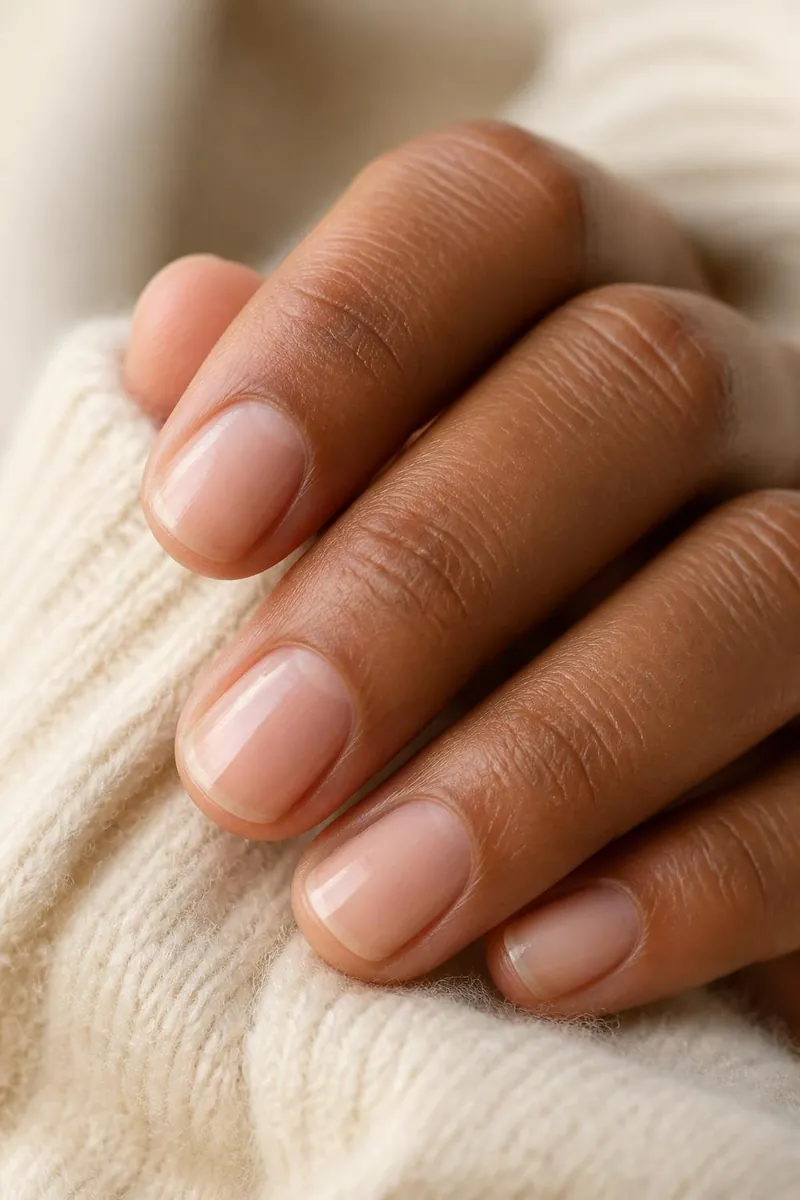
The cuticle is the layer of skin that sits along the bottom edge of the nail, where it meets the finger. It overlaps the nail slightly and acts as a seal. The American Academy of Dermatology explains that cuticles protect the nail root, the area where new nail cells form. When the seal is intact, it helps keep water, bacteria and other germs out of the space beneath the skin.
That's why the condition of your cuticles affects more than appearance. Damage around the nail base can show up later as a nail that grows in uneven, and broken skin there is an easy entry point for infection.
Why you shouldn't cut your cuticles
The clearest guidance from dermatologists is to leave the cuticle alone. The AAD advises against cutting cuticles or pushing them back, noting that cutting gives bacteria an easier way in. Mayo Clinic gives similar advice for salon visits: don't let your cuticles be removed. Cleveland Clinic adds that cutting or aggressively pushing back cuticles can damage the skin around the nail and lead to hangnails.
Cutting also tends to backfire cosmetically. The skin often regrows rough and uneven, which tempts you to trim again, and the cycle continues. If you've been cutting for years, expect a few weeks of awkward regrowth once you stop. Steady moisture makes that phase far less noticeable.
Salon tip: If a nail tech reaches for nippers, it's perfectly fine to ask them to skip the cuticles and only tidy any loose hangnails.
What about pushing them back?
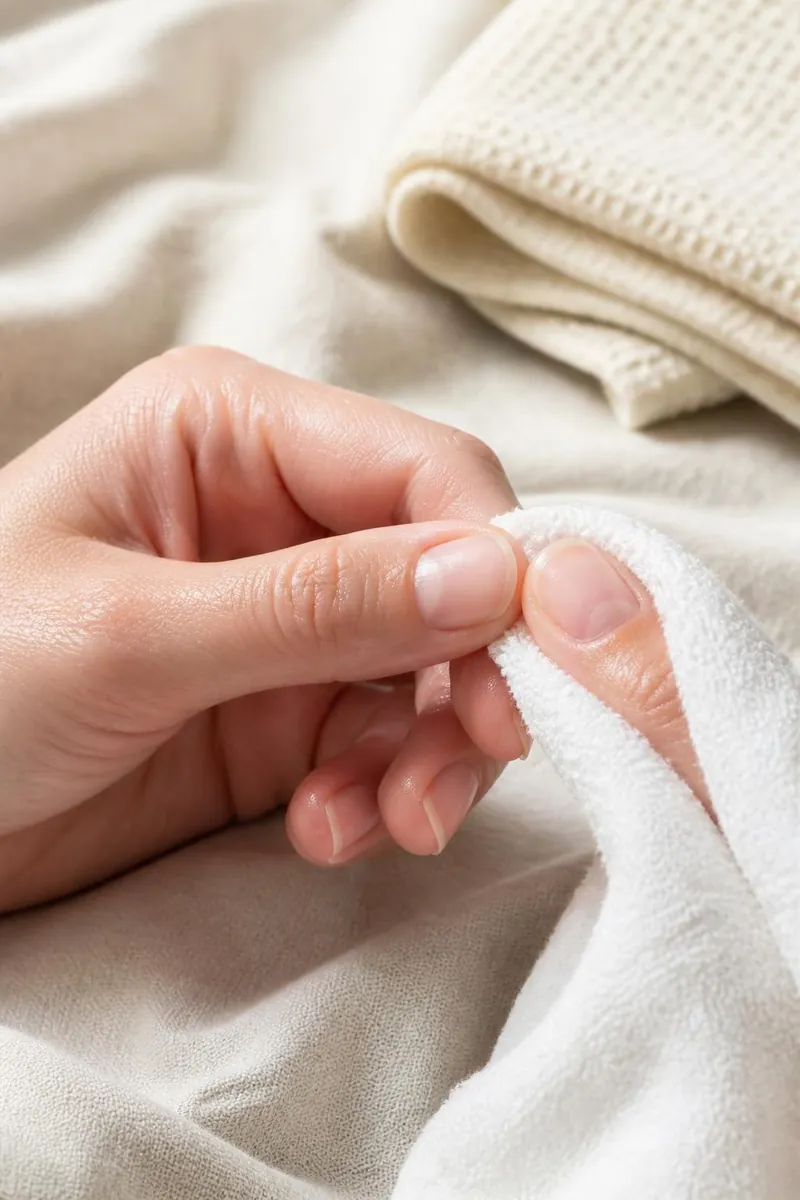
Advice differs here, so it helps to know the range. The AAD's position is not to push cuticles back. Some dermatologists take a softer line: Dr. Dana Stern, speaking to NPR, suggested gently easing them back with a washcloth after a shower or bath. Both views agree that you shouldn't use force, sharp tools or scraping.
If you like a tidier edge, the washcloth method is the gentlest option. Do it right after a warm shower, when the skin is soft, and use the lightest touch. If it stings or the skin looks red afterward, stop and leave them be.
A gentle cuticle care routine
Daily: moisturize
Moisture is the single most useful thing you can give your cuticles. Hand washing, sanitizer and cold weather all strip the skin's natural oils, so dryness builds up quickly. Mayo Clinic recommends rubbing moisturizer into your nails and cuticles, and Cleveland Clinic points out that moisturizing is especially important after you wash your hands.
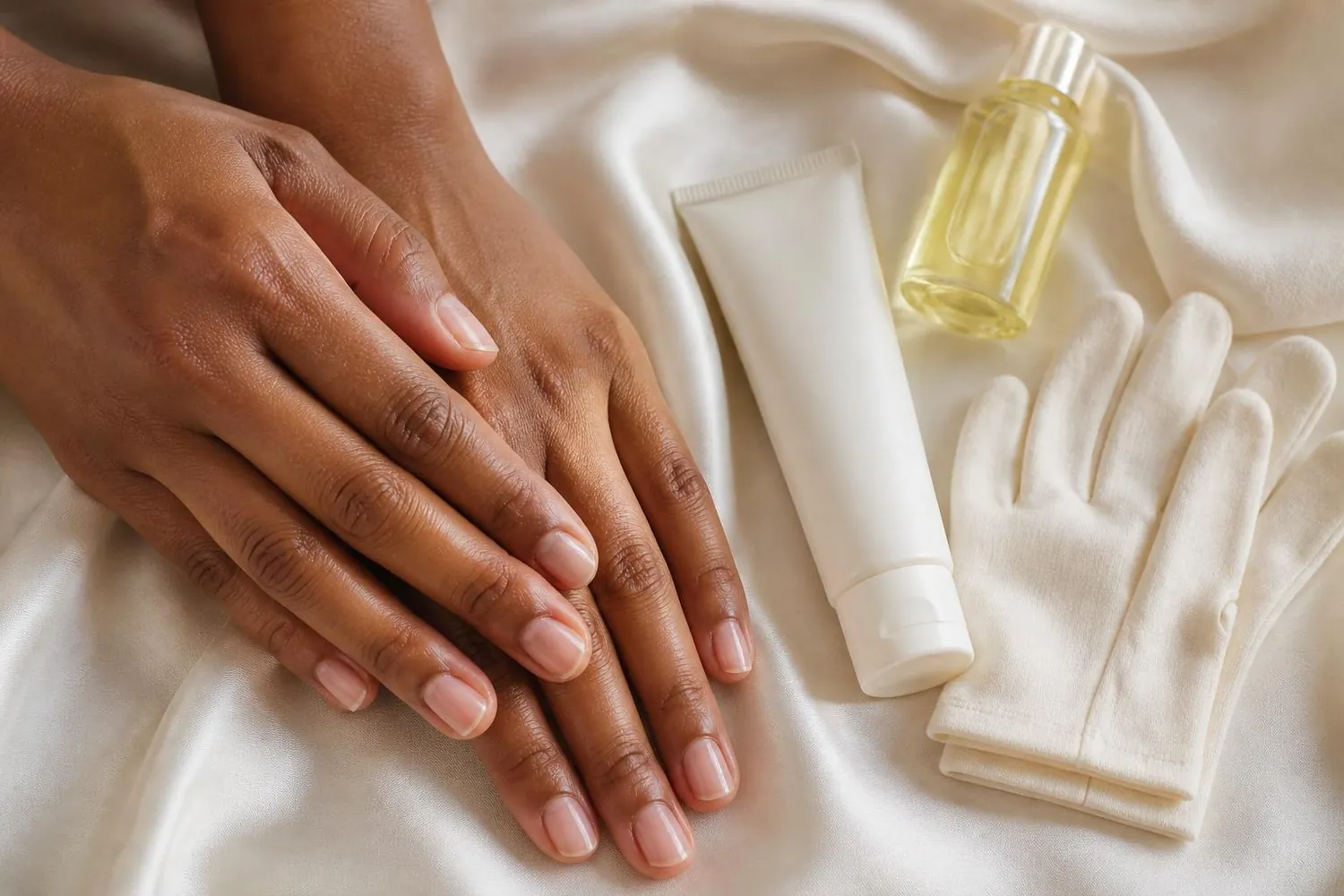
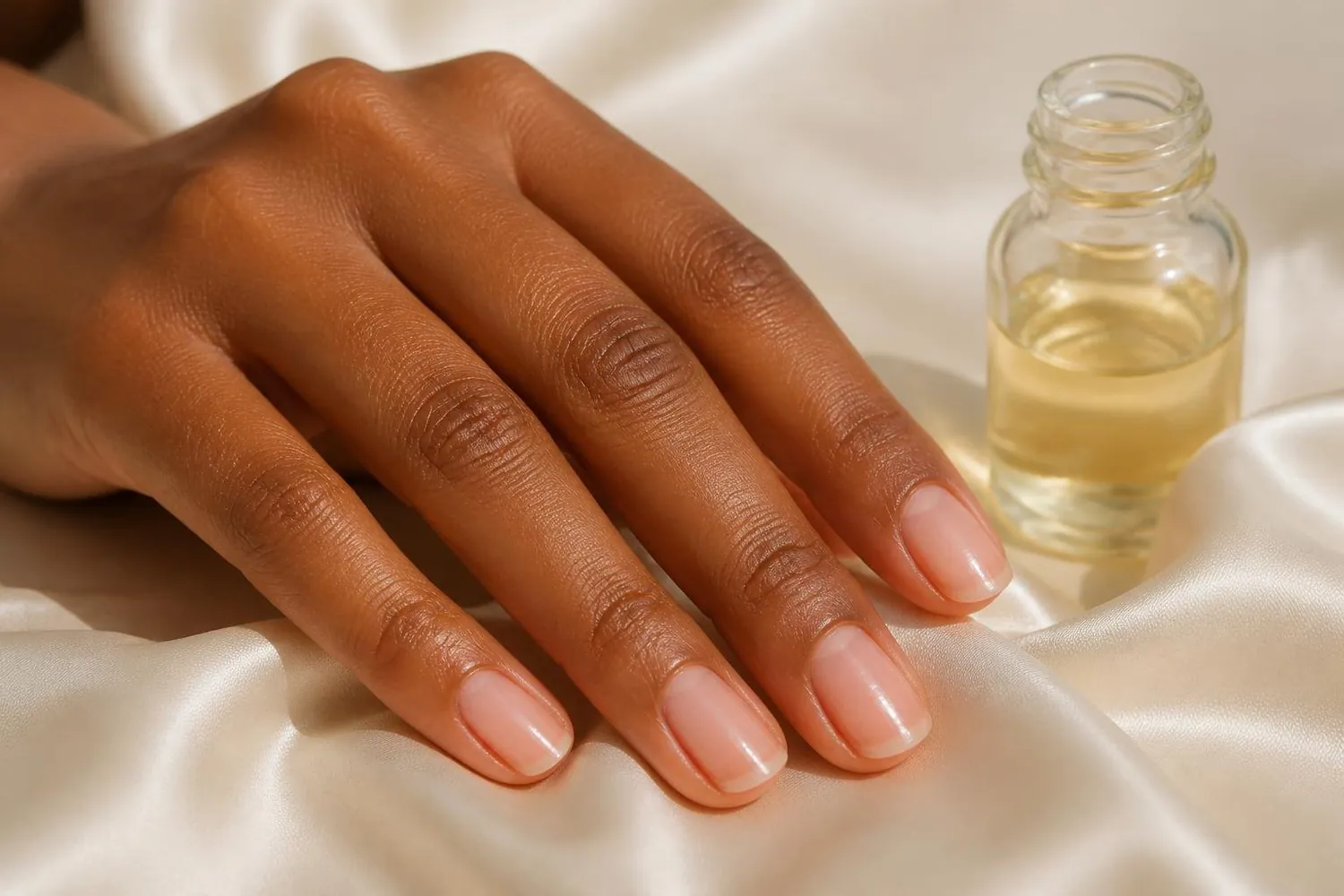
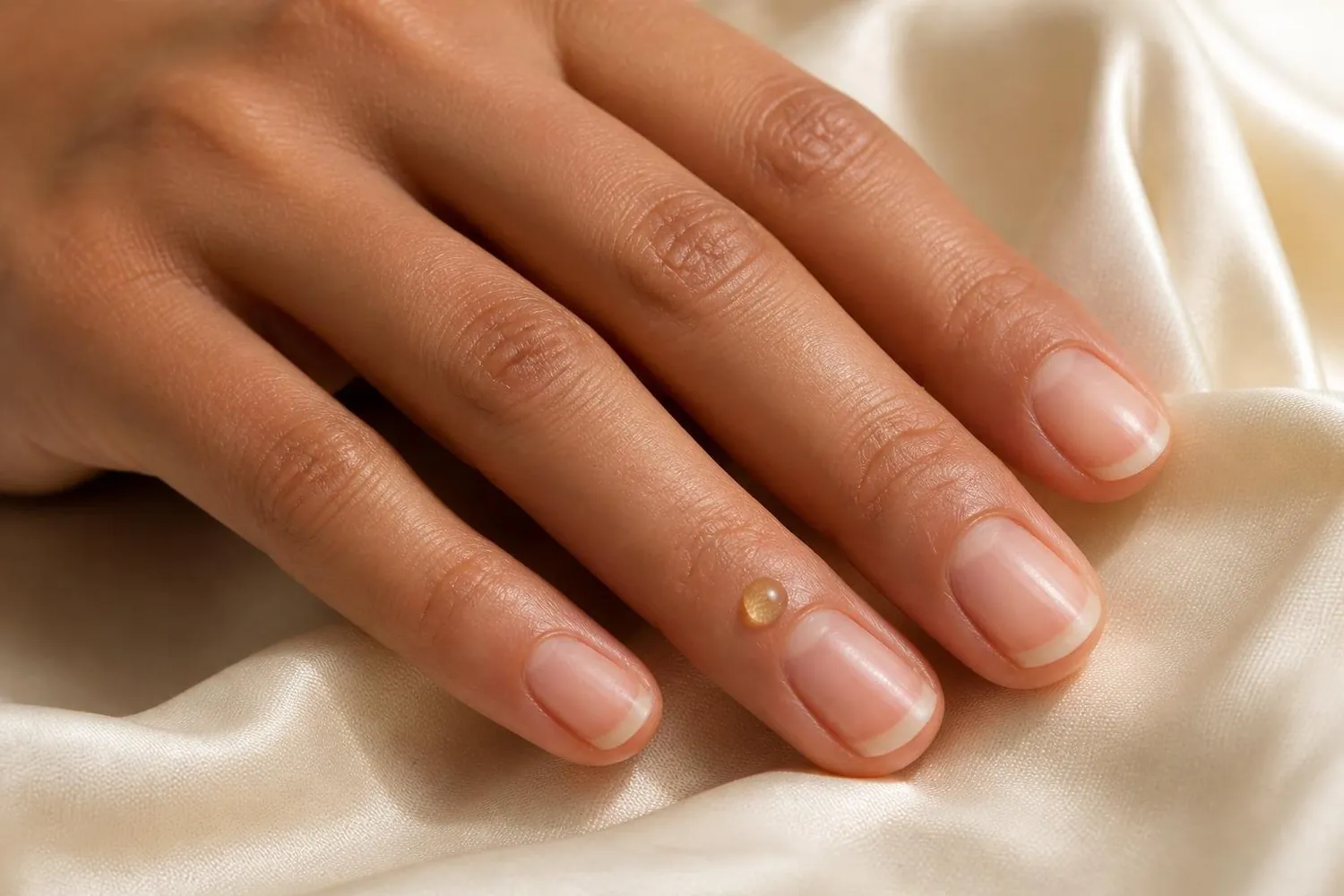
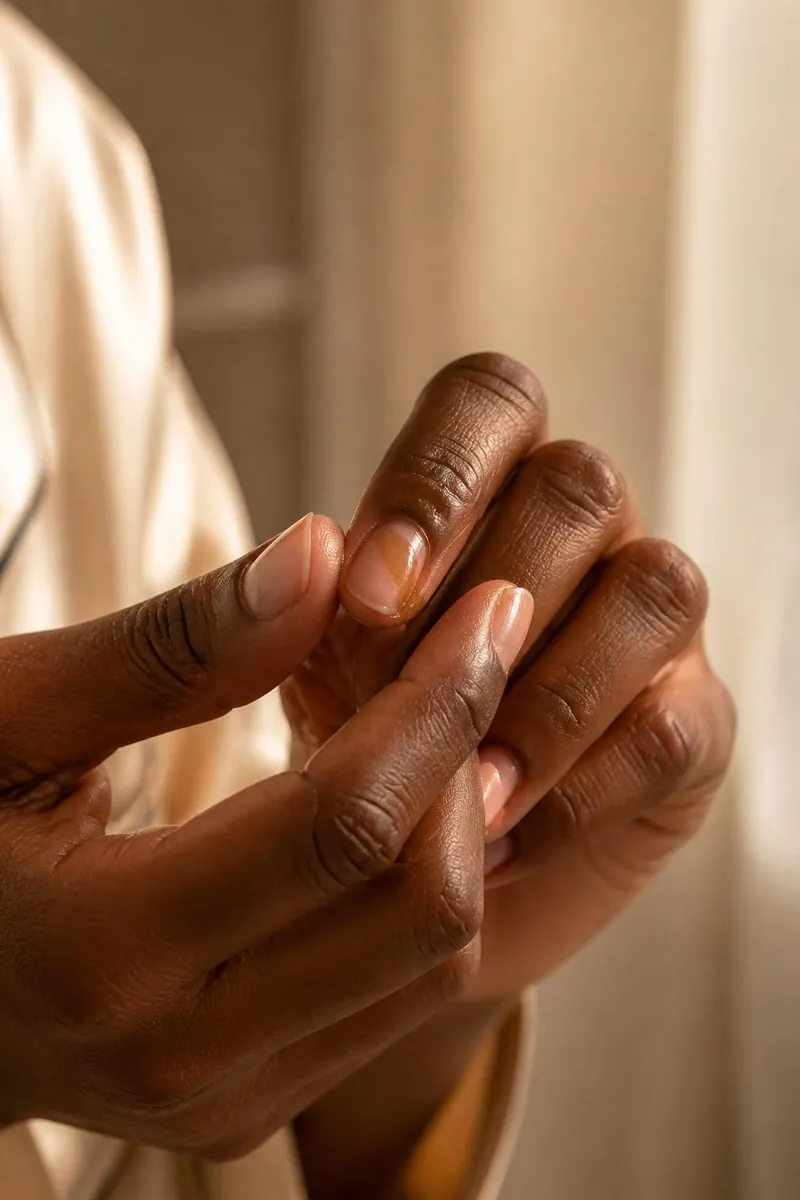
A cuticle oil is easy to carry and absorbs well, but you don't need anything fancy. The AAD suggests petroleum jelly for nails and cuticles, and Dr. Stern told NPR that any skin-safe oil, even olive oil, can provide hydration in a pinch. Massage a small amount into each cuticle and over the nail plate. Before bed is a good time, because nothing gets washed off for hours.
After washing: seal it in
Keep a hand cream next to the sink and use it every time you dry your hands. Nail technician Titilayo Bankole told NPR she prefers a hand cream to a lotion because creams are generally thicker and higher in oil. Rub what's left on your palms into your cuticles.
Oil, cream or petroleum jelly?
All three help, and the best one is the one you'll actually use. Oils are light and sink in quickly, which makes them easy to apply during the day without leaving greasy prints on your phone. Cuticle creams and balms are thicker and stay put longer, so they suit very dry or cracked skin and work well in winter. Petroleum jelly is the most occlusive of the three, meaning it forms a barrier that slows moisture loss, and it costs very little. Its downside is texture, so most people save it for bedtime, sometimes under thin cotton gloves. If you have sensitive skin, a fragrance-free formula is the safer place to start.
Weekly: check for hangnails
Hangnails are small torn strips of skin at the side of the nail. Cleveland Clinic advises against pulling or biting them, since aggressive removal can cause bleeding, infection and more pain. Soften the area in warm water first, then trim just the loose piece close to the base with clean clippers or cuticle nippers. Moisturize right afterward.
Around the house: protect them
Water is hard on both nails and the skin around them. The AAD recommends wearing gloves for dishes and cleaning and moisturizing after you wash your hands. Cleveland Clinic also suggests gloves in cold weather and gentler soaps. Cotton-lined rubber gloves for chores make a noticeable difference over a winter.
Habits that damage cuticles
- Picking and biting. The AAD lists nail biting and removing cuticles among the habits that can damage nails. If it's a stress habit, keeping cuticles smooth and oiled removes some of the temptation.
- Metal pushers used with pressure. Scraping at the nail base can damage the cuticle seal and the newly forming nail beneath it.
- Long soaks. A few minutes in lukewarm water softens skin. Long, repeated soaks leave it drier afterward.
- Harsh removers without follow-up. Polish remover is drying. Oil your cuticles straight after taking polish off.
- Shared, unclean tools. At home, keep your own clippers clean. At a salon, it's reasonable to ask how tools are cleaned.
When to see a dermatologist
Most rough cuticles respond well to moisture and a little patience. Some changes need a professional to look at them, though. Redness, warmth, swelling or tenderness around the nail fold, especially with pus, can point to an infection of the skin beside the nail. See a board-certified dermatologist or your doctor for persistent pain, swelling, changes in nail color or shape, or a nail lifting from the nail bed. The AAD also advises people with diabetes or poor circulation to get any nail problem treated promptly.
Make it part of a bigger routine
Cuticle care fits neatly into a few minutes a day. Our everyday nail care routine shows how it sits alongside filing and protecting your nails, and the no-polish manicure is a good way to see the results on bare nails. If you're choosing an oil, our best cuticle oil roundup compares several popular options.
Products worth a look
CND
CND SolarOil Nail & Cuticle Care
A salon-favorite nail and cuticle oil in a polish-style bottle with a brush applicator. Retail listings describe it as a blend of…
Researched pickessie
essie Apricot Cuticle Oil
A quick-absorbing cuticle oil with apricot kernel oil and jojoba oil, applied with a brush. essie describes the formula as 97% natural…
Researched pickBurt's Bees
Burt's Bees Lemon Butter Cuticle Cream
A small tin of solid cuticle cream that melts on contact with skin. Retailers describe it as made with sweet almond oil…
Researched pick